
Can My Concrete Be Lifted Back into Place?
Can My Concrete Be Lifted Back into Place?
The first thing that we’ll be looking for when we arrive at your home, office or other property is overlapping concrete. If a slab has sunk and then slid below the edge of the neighboring slab, or star step, it cannot be pulled back into place and lifted. In this case, the concrete will need to be broken up, removed and replaced.
Another example that we sometimes see involves tree roots. If a tree root has grown too close to the surface, under a slab of concrete, the slab may heave upwards. In some cases we can lift the neighboring slabs slightly, to eliminate trip hazards, but we can’t warranty the work. Because the tree will continue to grow, the root will continue to be a problem and will cause more trouble for the concrete at some point in the future.
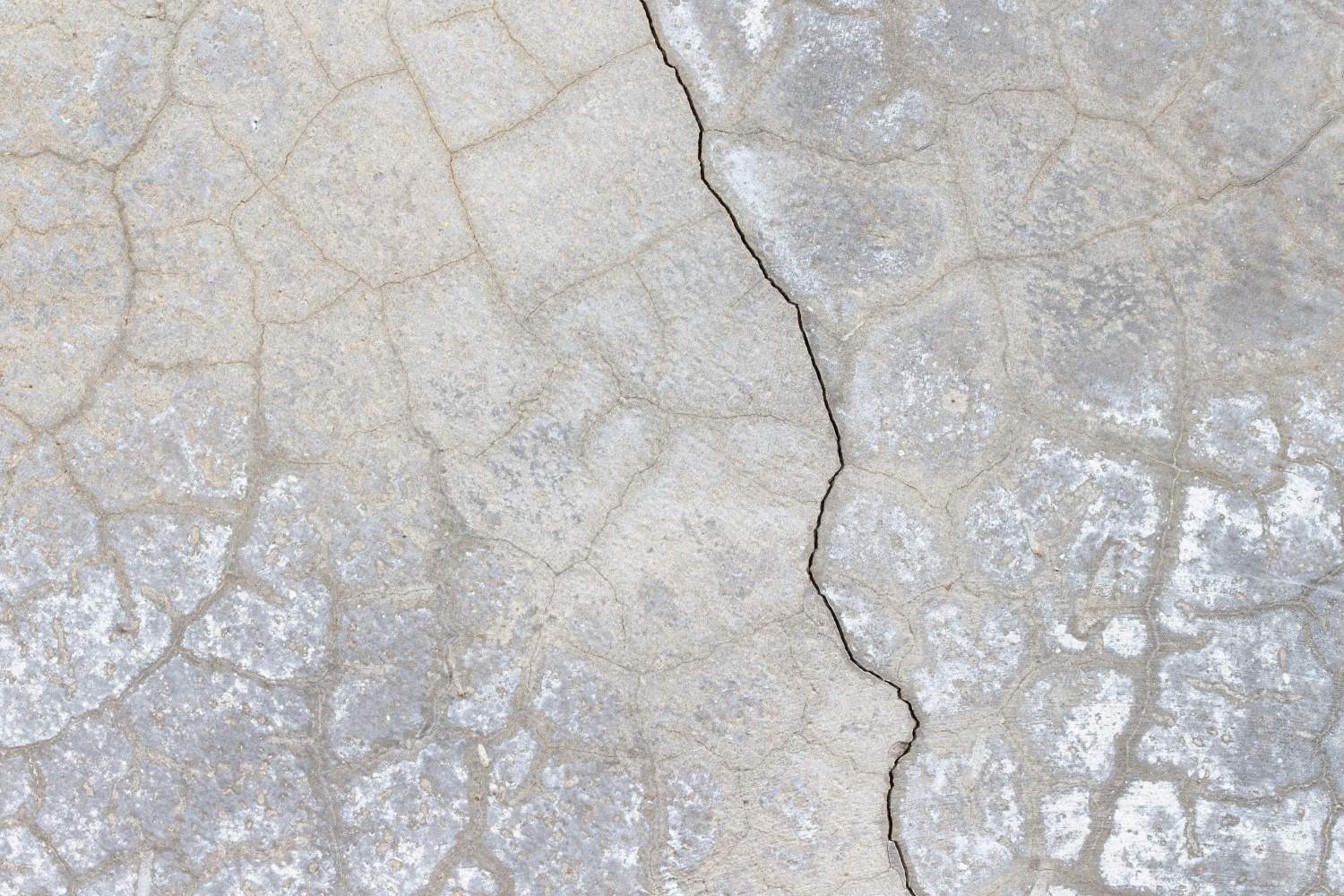

There are other, less common situations that may make it unwise to lift concrete, but these are the most common, and even these are a small percentage of the actual jobs we receive calls for. 95% of the jobs we are called out to can be done quickly and fairly easily.
(on the side)
At Landmark Lifting, we see all sorts of concrete problems, each one preceded by the owner’s question, “can my concrete be lifted if it’s…?”. The truth is that most concrete shifting or settling problems can be corrected without removing and replacing the affected concrete. Part of the trepidation is caused by the fact that concrete lifting and concrete leveling are uncommon terms for most people.
How Do We Determine If Your Concrete Can Be Lifted?
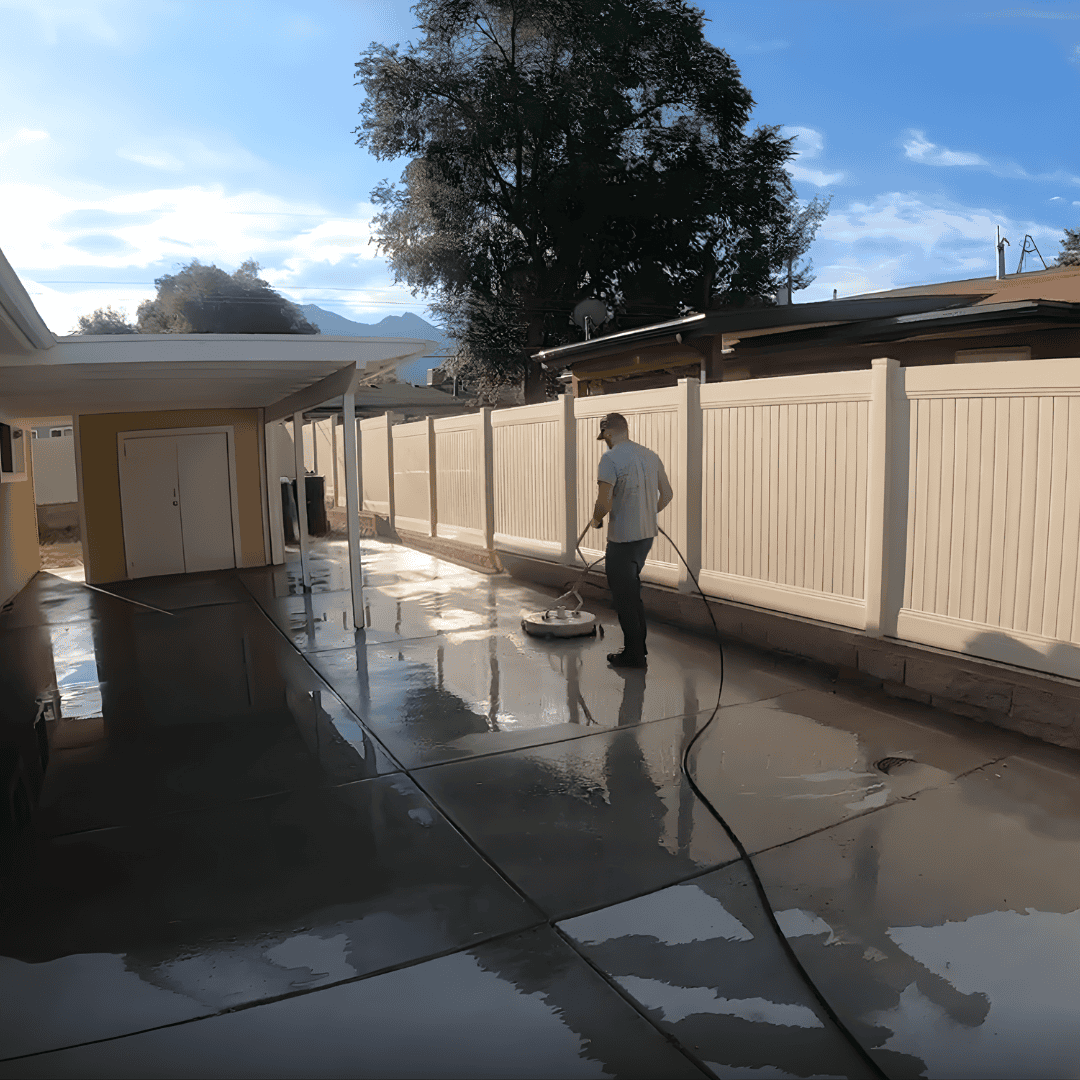
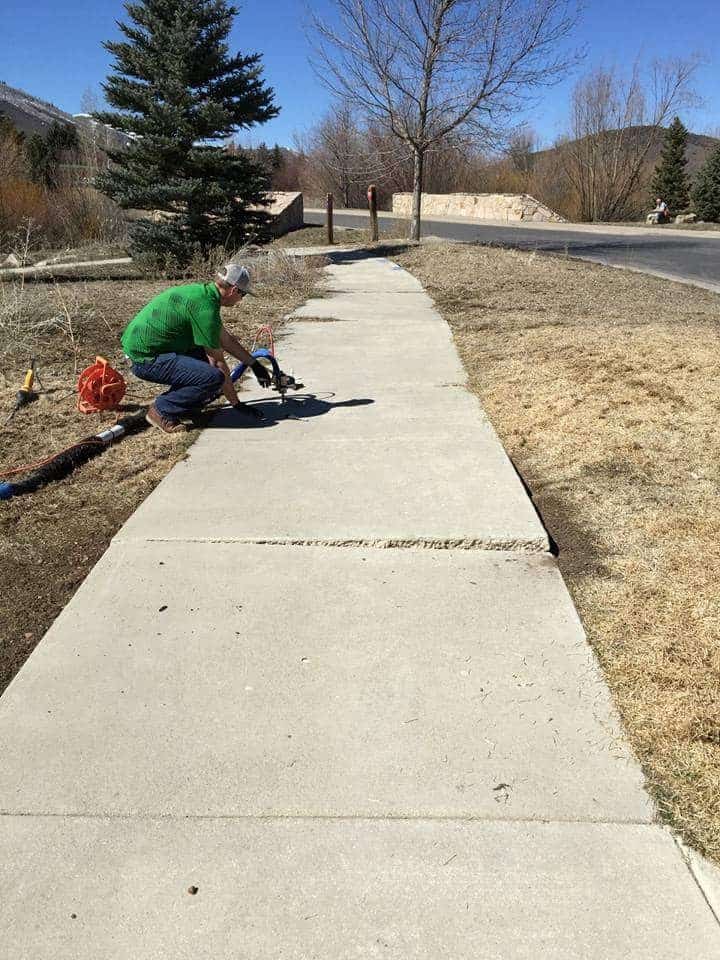
When you call Landmark Lifting, our team begins with a detailed site inspection. We assess the condition of your concrete, check for shifting or cracking, and identify the cause of settlement—whether it’s poor soil compaction, erosion, or moisture-related issues.
We look for key indicators such as:
- Gaps between slabs
- Uneven joints or trip hazards
- Cracks caused by sinking
- Water pooling in certain areas
If the concrete is structurally sound and has only settled vertically, it’s usually a great candidate for lifting. Horizontal shifting, crumbling edges, or slabs that have broken into many pieces may require replacement instead.
Common Situations Where Lifting May Not Work
While most sunken concrete can be lifted, there are exceptions:
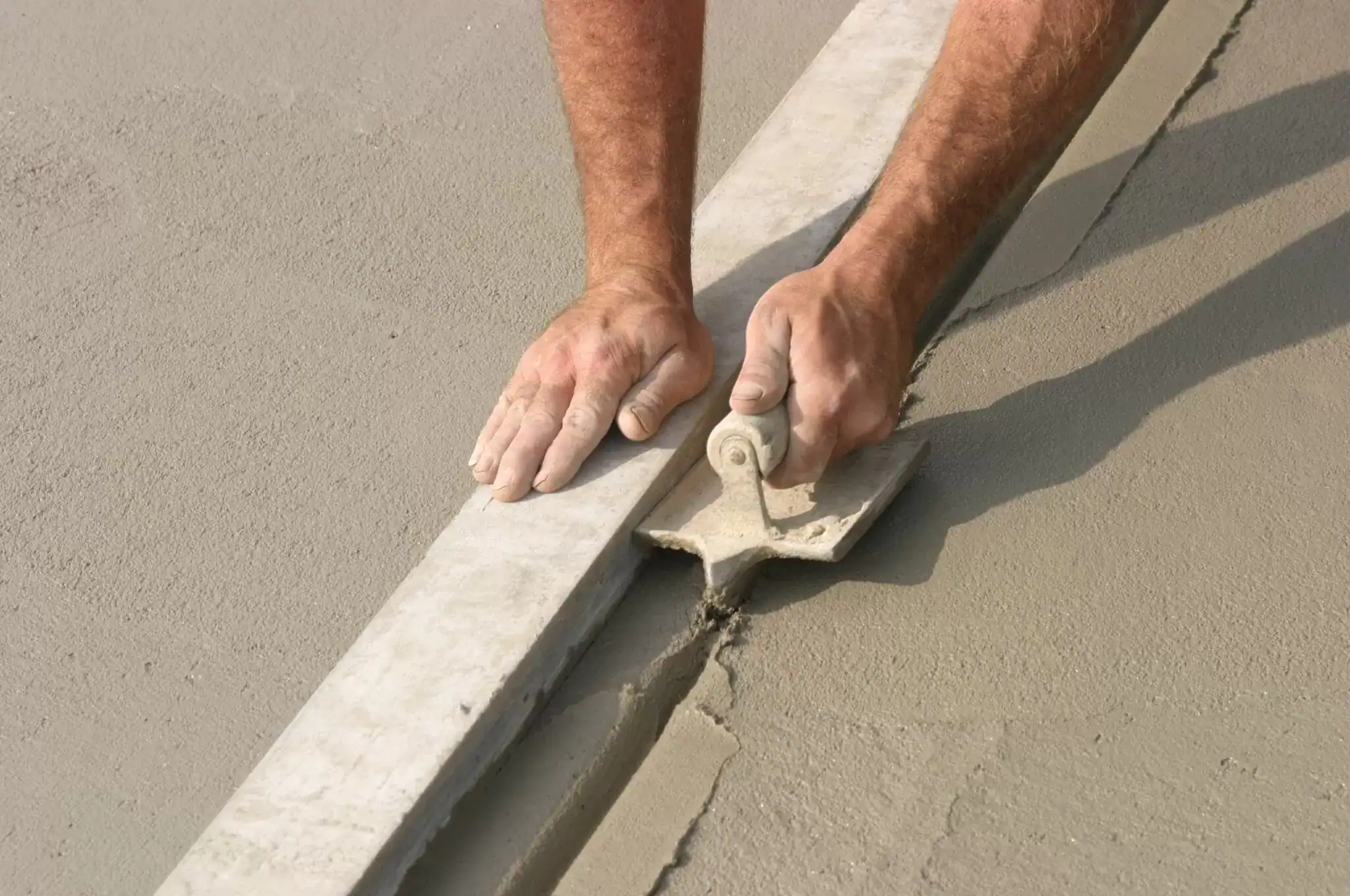
- Slabs that have slid out of place: If the slab has shifted laterally or dropped below its neighboring slab, lifting it back into alignment is not possible. These slabs will need to be removed and replaced.
- Tree root interference: Roots growing under slabs can cause upward pressure and cracking. Even if we adjust surrounding slabs, the roots will continue to grow and create future issues. In these cases, addressing the root system is necessary before lifting can be considered a long-term solution.
- Extensive damage or poor slab quality: If the slab is extremely thin, brittle, or already compromised by extensive cracking, lifting may not restore it safely or effectively.
Fortunately, these scenarios are rare. In fact, we’re able to lift and level concrete in roughly 95% of the properties we inspect.
Why Choose Landmark Lifting?
At Landmark Lifting, we specialize in professional, long-lasting concrete leveling solutions. Our technicians are highly trained in the latest lifting methods and bring a customer-first approach to every job. We focus on honest assessments, fast turnarounds, and restoring safety and value to your property.
Whether you’re dealing with a sunken step, an uneven patio, or a sloping driveway, we’ll help you understand your options—and we’ll never recommend replacement unless it’s absolutely necessary.
Get Started with a Free Estimate
Don’t let uneven concrete become a liability. Whether it’s a minor slope or a major sunken slab, we can help restore your concrete quickly and efficiently. Contact Landmark Lifting today to schedule your free on-site assessment. In most cases, we’ll have you back on solid ground the same day.
Get a quote
Tell us what needs lifting and we will get back to you with a price.