
Sinking Driveway Repair & Concrete Lifting
Fix Your Sinking Driveway Without Costly Replacement
A sinking driveway can create safety hazards, drainage issues, and reduce your home's curb appeal. Landmark Lifting provides professional sinking driveway repair throughout Utah using polyurethane foam injection to lift and stabilize settled concrete.
Compared to replacement, concrete lifting is faster, more affordable, and a far less disruptive way to restore your driveway's safety, appearance, and functionality.
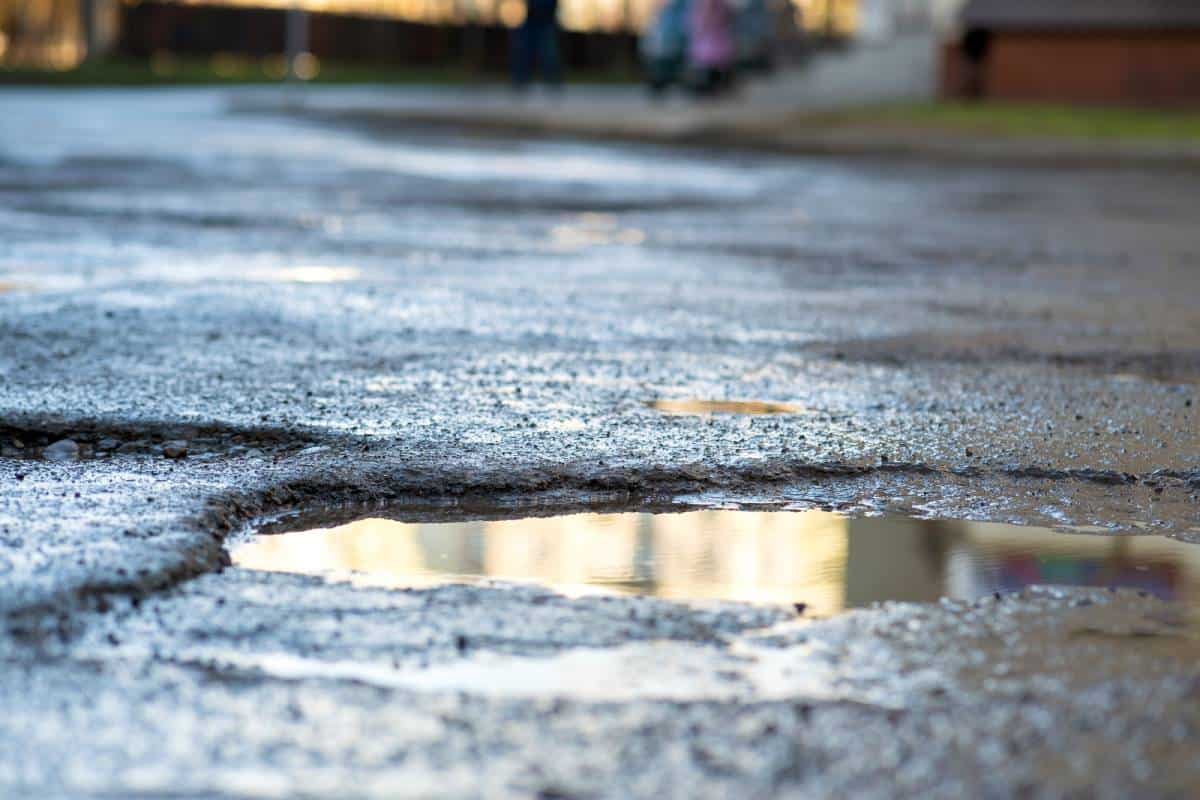
Why Do Driveways Sink?
Concrete driveways rely on stable soil for support. Over time, the ground beneath the slab can shift, erode, or compact, creating empty spaces that allow the concrete to settle.
Several factors commonly contribute to sinking driveways throughout Utah, including:

Soil Erosion Caused By Rainwater and Irrigation
Water can wash away supporting soil beneath the concrete over time, creating voids that leave sections of the driveway unsupported.

Improper Soil Compaction During Construction
If the soil beneath a driveway is not adequately compacted before the concrete is poured, it may continue to settle long after installation.

Freeze-thaw Cycles That Affect Soil Stability
Utah's changing temperatures can cause moisture in the ground to expand and contract repeatedly throughout the year.

Expansive Soils That Shrink and Swell with Moisture Changes
Certain soil types naturally expand when wet and contract when dry, creating movement beneath the concrete.

Underground Plumbing Leaks
Water leaking from pipes beneath the driveway can erode supporting soil and create empty spaces below the slab.

Long-term Vehicle Traffic and Natural Settling
The weight of vehicles combined with normal soil settlement can gradually compress the ground beneath the driveway.
Signs Your Driveway Needs Repair
Not every sinking driveway looks the same. Some homeowners notice obvious settlement, while others first spot small changes that become more significant over time.
Common signs that your driveway may need concrete lifting include:
Sunken or Uneven Concrete Slabs
Sections of the driveway that sit lower than surrounding concrete are often a sign of soil movement beneath the slab.
Pooling Water on Your Driveway
Water that collects in low spots instead of draining away properly often indicates settlement.
Trip Hazards Between Concrete Sections
Height differences between adjacent slabs create safety concerns for family members, visitors and pedestrians in general.
Settlement Near the Garage Entrance
One of the most common areas for driveway settlement is where the driveway meets the garage floor.
Cracks caused by shifting concrete
When sections of concrete settle at different rates, stress is placed on the slab, often resulting in cracks.
Gaps between slabs or adjacent structures
Visible separation between concrete sections, sidewalks, garage floors, or curbs may indicate that the driveway has shifted.
Sections of Concrete Lower Than Surrounding Areas
Even minor changes in elevation can indicate developing support issues beneath the slab. Early repairs can often prevent more extensive settlement from occurring.
How Polyurethane Foam Injection Works
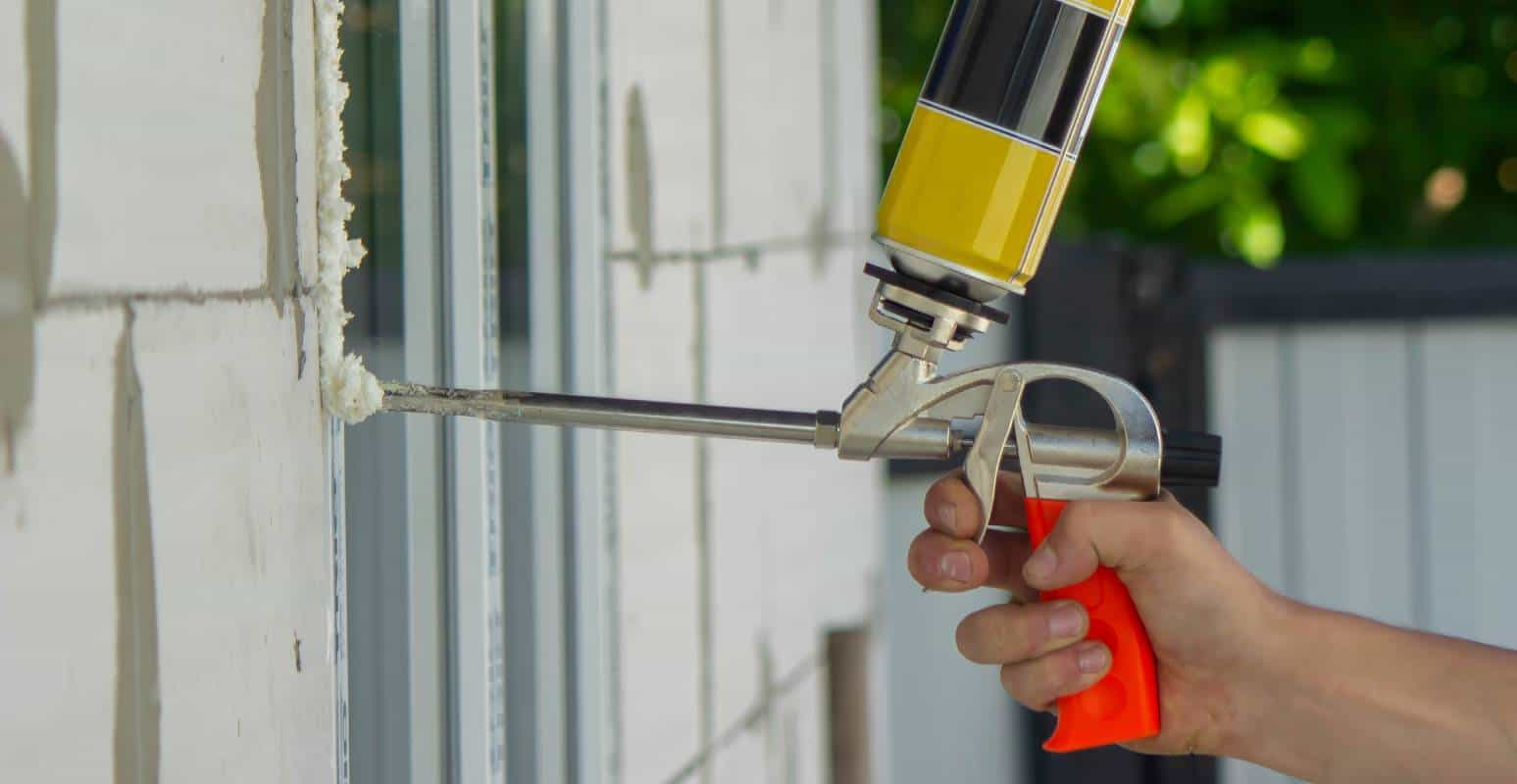
Landmark Lifting uses polyurethane foam injection to raise and stabilize sinking concrete. During the process, small holes are strategically drilled through the affected slab, allowing specialized polyurethane foam to be injected beneath the concrete.
As the foam expands, it fills voids, strengthens weak soil conditions, and gently lifts the driveway back toward its original position. The lightweight yet durable material cures quickly and provides long-term support beneath the slab. This modern concrete lifting method allows homeowners to repair settlement issues without the cost and inconvenience of complete driveway replacement.
Benefits of Polyurethane Foam Driveway Lifting
Cost-Effective Alternative to Replacement
Concrete lifting typically costs significantly less than removing and replacing an entire driveway. Homeowners can restore the functionality and appearance of their driveway while avoiding the expense of demolition, disposal, and new concrete installation.
Fast Project Completion
Most driveway lifting projects can be completed in just a few hours rather than several days. This allows homeowners to address settlement issues quickly without lengthy disruptions to their daily routine.
Minimal Property Disruption
Polyurethane foam injection requires only small access holes and does not involve extensive excavation. Landscaping, surrounding concrete, and other property features remain largely unaffected during the repair process.
Long-Lasting Support
The expanding polyurethane foam fills voids beneath the slab while helping stabilize the underlying soil. This creates a durable support system designed to reduce the likelihood of future settlement.
Why Choose Landmark Lifting?
Utah using advanced polyurethane foam injection. Our team focuses on cost-effective solutions that restore existing concrete, helping homeowners avoid the expense and disruption of replacement.
Whether your driveway has recently started sinking or has been uneven for years, we can help restore its safety, functionality, and appearance.
Schedule Your Driveway Inspection Today
If your driveway is sinking, don't wait for the problem to become more severe. Landmark Lifting provides professional polyurethane foam concrete lifting services that restore safety, improve curb appeal, and help homeowners avoid the high cost of replacement.
Contact Landmark Lifting today to schedule an inspection and learn how our sinking driveway repair solutions can help protect your property and extend the life of your concrete.
Frequently Asked Questions
Can a sinking driveway be repaired without replacing it?
Yes. In many cases, a sinking driveway can be successfully repaired using polyurethane foam injection. This process lifts and stabilizes the existing concrete, eliminating the need for costly demolition and replacement.
How long does driveway lifting take?
Most driveway lifting projects can be completed within a few hours. The exact timeline depends on the size of the driveway and the extent of the settlement.
Is polyurethane foam injection better than mudjacking?
Polyurethane foam is lightweight, durable, and resistant to moisture. It also requires smaller injection holes and often provides a more precise lifting solution compared to traditional mudjacking methods.
How long does polyurethane foam last?
Polyurethane foam is designed to provide long-term support beneath concrete slabs. When installed correctly and combined with proper site conditions, it can provide lasting stabilization for many years.
Can you lift cracked driveways?
Many cracked driveways can still be lifted if the concrete remains structurally sound. A professional evaluation can determine whether concrete lifting is the right solution for your specific situation.
Will the repair be noticeable?
The injection holes used during the lifting process are small and are patched after the repair is completed. Most homeowners find the repaired surface far less noticeable than the results of full concrete replacement.
Can driveway lifting help eliminate standing water?
Yes. Restoring proper slab elevation often improves drainage and reduces low spots where water tends to collect. This can help protect the driveway and surrounding property from additional erosion and damage.
How do I know if my driveway qualifies for concrete lifting?
Most settled concrete slabs are good candidates for lifting if the concrete is structurally sound. A professional inspection can determine the cause of the settlement and recommend the most effective repair solution.
Get a quote
Tell us what needs lifting and we will get back to you with a price.