
The Hidden Enemy: How Water Penetration Damages Your Concrete
The Hidden Threat to Your Concrete: Water Damage
When it comes to maintaining your property’s value and safety, concrete often gets taken for granted. It’s strong, durable, and seemingly indestructible. But there's a silent enemy that can slowly and steadily compromise your concrete's integrity and water penetration.
While it might not seem like a major threat, water is one of the most destructive forces when it comes to concrete structures. Left unchecked, moisture can lead to cracking, sinking, spalling, and even structural failure. At Landmark Lifting, we’ve seen firsthand the kind of damage water can do and we know how to stop it in its tracks.
Why Concrete is Vulnerable to Water
Concrete is a porous material. Even though it looks solid, it’s filled with tiny holes and capillaries that absorb and hold moisture. Over time, this water can wreak havoc, especially in areas that experience freeze-thaw cycles, heavy rainfall, or poor drainage.
When water seeps into concrete and temperatures drop, the water freezes and expands. This expansion puts pressure on the surrounding material, causing cracks and deterioration. When the ice melts, water can flow deeper into the concrete, only to freeze again during the next cold snap. This freeze-thaw cycle is one of the most common causes of concrete failure.
But even in warmer climates, water penetration leads to long-term issues, such as soil erosion beneath slabs, corrosion of embedded steel, and decreased load-bearing capacity.


Common Signs of Water Damage in Concrete
Water damage isn't always obvious at first. Here are a few warning signs to watch for:
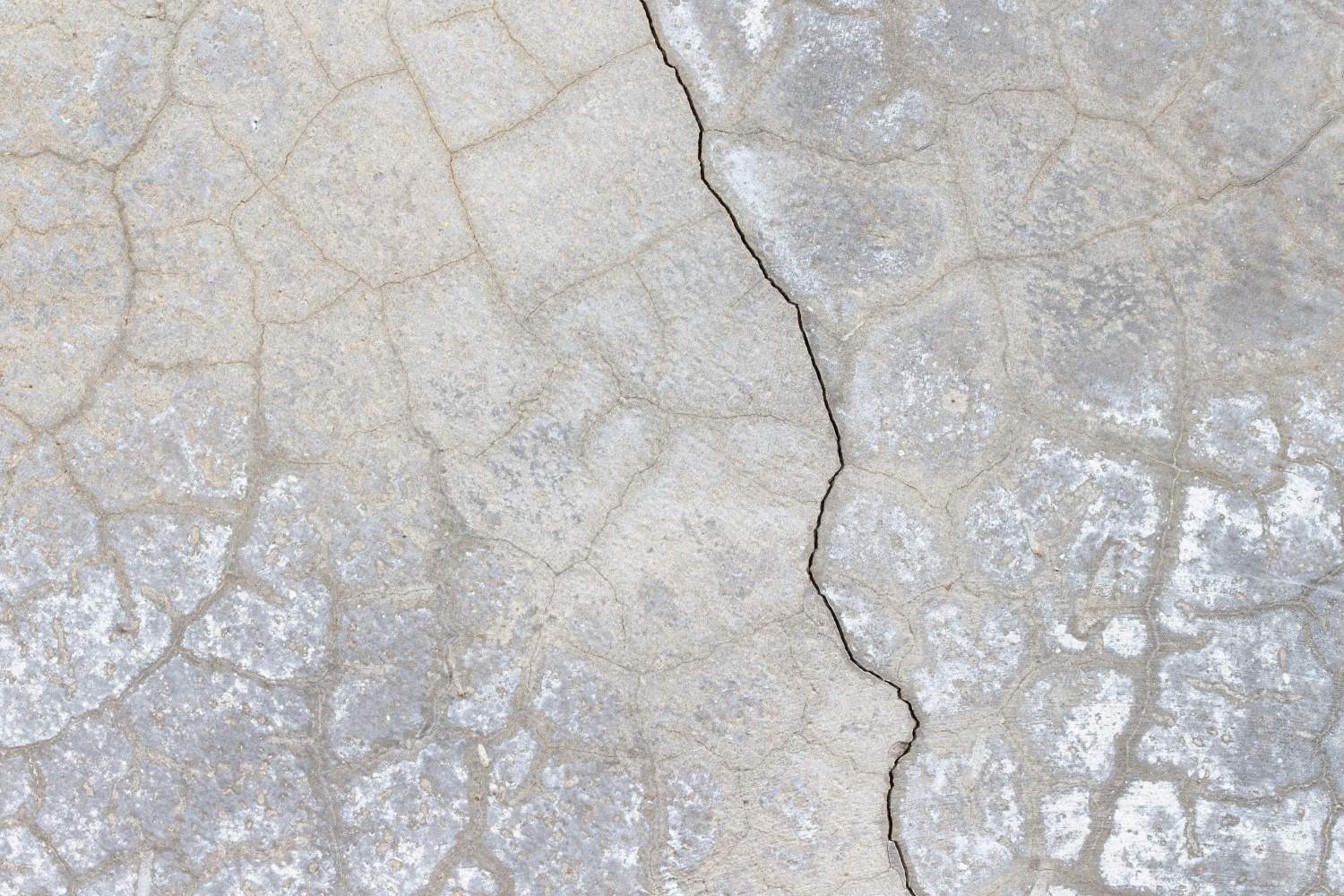
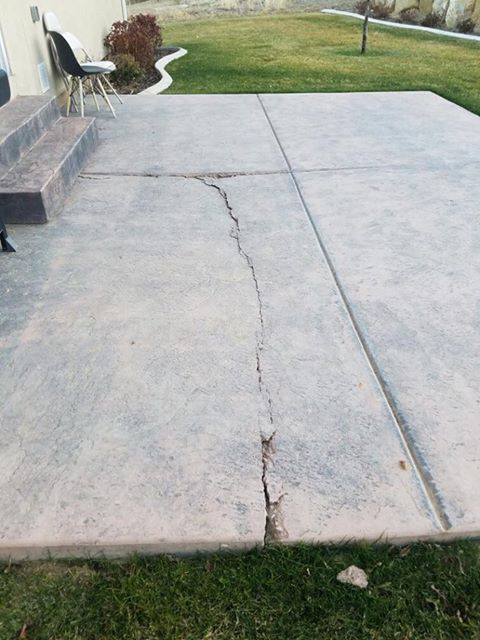
- Cracking or crumbling concrete: Surface cracks can indicate that water has entered the slab and is compromising its structure from within.
- Pooling water or soggy soil: Water that doesn't drain properly around walkways, driveways, or foundations can quickly lead to slab shifting or settlement.
- Discoloration or efflorescence: White, chalky residue on your concrete can be a sign of water moving through the material and bringing salts to the surface.
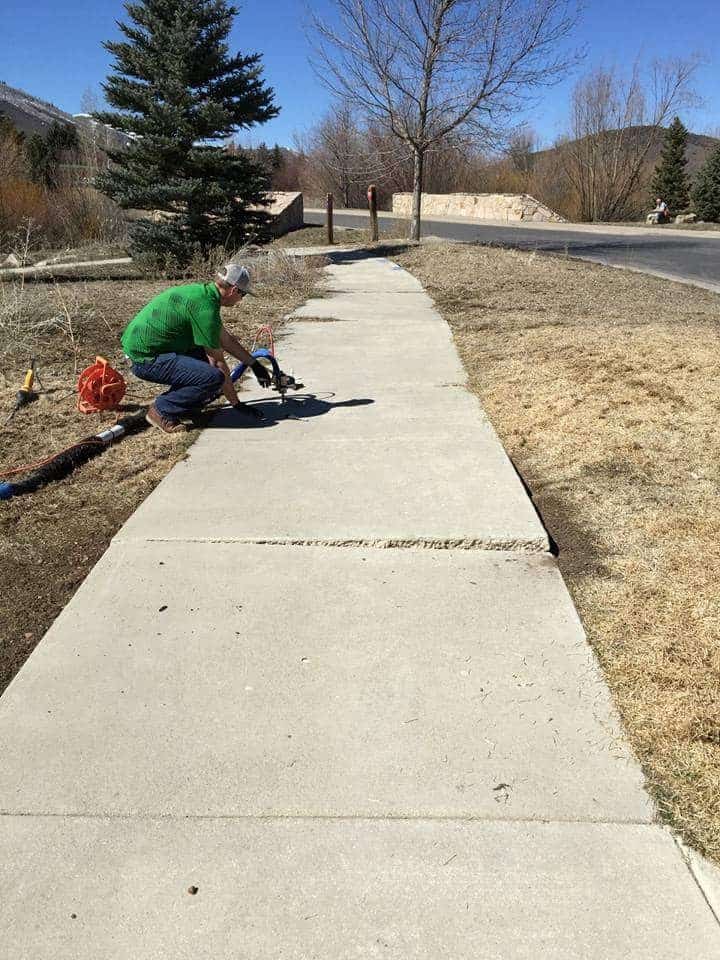
- Sinking or uneven slabs: As water erodes the soil underneath your concrete, it creates voids that lead to uneven or sunken surfaces.
If you notice any of these issues, it's important to address them sooner rather than later. Delaying repairs can result in more extensive (and expensive) damage.

How Water Leads to Concrete Settlement
One of the most significant consequences of water penetration is concrete settlement. When water continuously flows or sits beneath a slab, it washes away the supporting soil or causes it to become soft and unstable. This loss of support leads to uneven or sunken concrete, which creates not just aesthetic problems but real safety hazards.
Sidewalks, driveways, patios, and garage floors are especially prone to this kind of damage. Over time, this sinking can create tripping hazards, drainage issues, and even affect the foundation of your home.
Prevention and Protection
The best defense against water damage is proper drainage and regular maintenance. Here are a few steps homeowners can take to minimize water intrusion:
- Keep gutters and downspouts clear and functioning: Ensure they direct water away from your home and concrete surfaces.
- Regrade landscaping if necessary: Make sure the slope directs water away from structures, not toward them.
- Seal your concrete: A high-quality sealer can help reduce water absorption, especially on exposed surfaces like driveways and patios.
- Repair cracks quickly: Small cracks are an open door for water. Sealing them early can prevent more significant issues down the road.

How Landmark Lifting Can Help
Even with preventative measures, water damage can still occur. That’s where we come in. At Landmark Lifting, we specialize in restoring damaged concrete caused by water penetration through advanced lifting and leveling techniques.
Using polyurethane foam injection, we can lift sunken concrete back into place, fill voids caused by water erosion, and stabilize the underlying soil all without the mess and cost of full replacement. Our process is minimally invasive, fast-curing, and highly effective for addressing the effects of water damage on concrete surfaces.
Additionally, our team can help assess drainage issues and recommend long-term solutions to keep water away from your slabs in the future.
Don’t Let Water Win
Water may be a natural element, but when it comes to your concrete, it’s anything but harmless. From small cracks to significant settling, moisture can turn a solid surface into a major problem before you even realize what’s happening.

Schedule a Free Concrete Assessment Today
If you’re noticing signs of water damage or want to protect your property before issues arise, contact Landmark Lifting. We’ll help you understand what’s going on beneath the surface and offer reliable, long-lasting solutions that restore your concrete and your peace of mind.